Recycling: Weighing the Environmental Benefits and Hidden Costs
By Bodhi Hale, Director of Environmental Science & Technology (Tulsa)
Bodhi Hale holds bachelor’s degrees in both environmental biology and zoology from Oklahoma State University (Stillwater). His professional work centers on regulatory compliance, environmental risk mitigation, and the practical application of data-driven tools to support sustainable operations across industrial sectors. Hale emphasizes the integration of scientific rigor with real-world compliance solutions, advocating for proactive environmental management strategies that protect human health, preserve ecological integrity, and support long-term operational sustainability. His passion for environmental protection was instilled at an early age through exposure to horticulture and land stewardship, shaping a lifelong interest in the complexity and resilience of natural systems.
Recycling has long been promoted as one of the most accessible and effective ways individuals and businesses can reduce their environmental impact. From curbside pickup programs to large-scale industrial recovery systems, recycling is often viewed as a straightforward and responsible solution to the growing global waste problem. It is commonly associated with environmental stewardship, conservation, and sustainability. However, while the environmental benefits of recycling are well-documented and widely accepted, there are also hidden costs and operational challenges that are often overlooked in broader discussions. Understanding both sides of the equation is essential for developing realistic and effective environmental strategies.
At its foundation, recycling plays a key role in conserving natural resources. By reprocessing materials such as aluminum, paper, glass, and certain plastics, recycling reduces the need for extracting virgin raw materials. This reduction in extraction activities helps preserve ecosystems that would otherwise be disrupted by mining, logging, and drilling operations. For example, aluminum recycling is one of the most energy-efficient processes in the materials sector, requiring significantly less energy than producing aluminum from bauxite ore. Similar benefits can be seen with paper recycling, which reduces the demand for timber harvesting and helps maintain forest ecosystems. These resource conservation benefits make recycling a critical component of long-term environmental sustainability.
In addition to conserving natural resources, recycling contributes to energy savings and reductions in greenhouse gas emissions. Manufacturing products from recycled materials often requires less energy compared to producing them from raw inputs. This energy reduction translates into lower carbon emissions, which is particularly important in the context of climate change mitigation. For industries that rely heavily on energy-intensive processes, incorporating recycled materials can significantly reduce their overall environmental footprint. As a result, recycling is frequently promoted as a climate-friendly practice that aligns with broader emissions reduction goals.
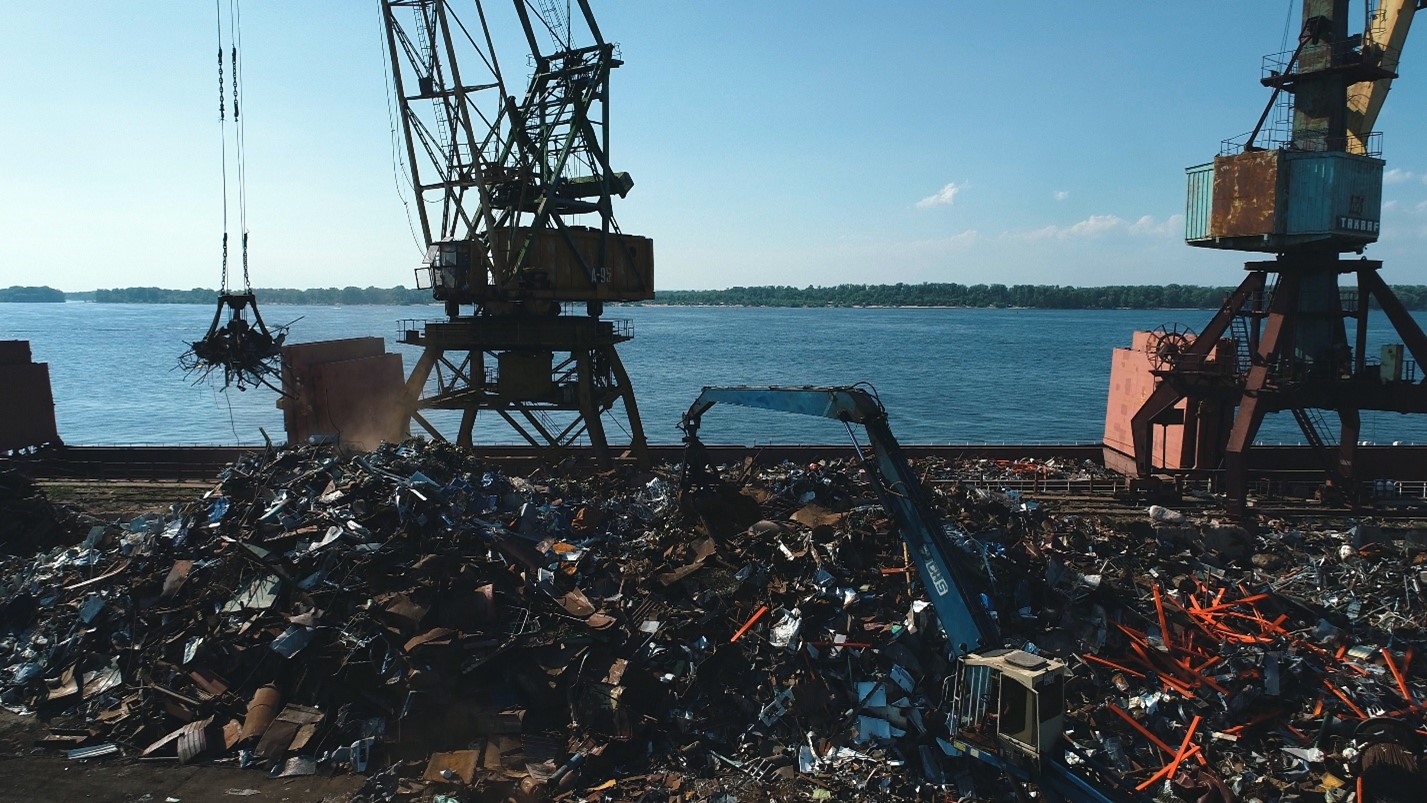
Another important benefit of recycling is its role in reducing landfill use. Landfills are associated with a range of environmental concerns, including methane emissions, groundwater contamination, and long-term land use constraints. Methane*, a potent greenhouse gas, is generated as organic waste decomposes in landfill environments. By diverting recyclable materials away from landfills, communities can reduce the volume of waste requiring disposal and minimize the environmental risks associated with landfill operations. This is especially important in rapidly growing urban areas, where landfill capacity is limited and new landfill development is often met with public opposition.
Recycling systems also support the concept of a circular economy, where materials are kept in use for as long as possible rather than being disposed of after a single use. In a circular model, products and materials are designed with reuse, refurbishment, and recycling in mind. This approach contrasts with the traditional linear economy, which follows a “take, make, dispose” model. By keeping materials in circulation, recycling helps reduce overall waste generation and promotes more efficient use of resources. For businesses, adopting circular economic principles can also create opportunities for innovation and improved operational efficiency

Despite these clear benefits, recycling is not without its challenges. One of the most significant issues is the energy and infrastructure required to support recycling systems. The process of recycling involves multiple steps, including collection, transportation, sorting, cleaning, and reprocessing. Each of these steps requires energy, labor, and specialized equipment. In some cases, particularly for low-value or highly contaminated materials, the energy required to recycle a product can approach or even exceed the energy needed to produce it from raw materials. This is especially true for certain types of plastics, where recycling technologies are still evolving and may not be as efficient as those for metals or paper
Contamination within recycling streams is another major challenge that can significantly impact on the effectiveness of recycling programs. When non-recyclable materials are placed in recycling bins, they can contaminate entire batches of otherwise recyclable materials. This contamination increases processing costs, reduces the quality of recovered materials, and can ultimately result in materials being diverted to landfills. Common contaminants include food waste, plastic bags, and items made from mixed materials that are difficult to separate. Addressing this issue requires clear communication, proper labeling, and ongoing education for both residential and commercial participants in recycling programs

Economic factors also play a critical role in determining the success and sustainability of recycling efforts. The market for recycled materials is influenced by supply and demand, commodity prices, and global trade dynamics. When the market value of recycled materials is low, it can become economically challenging for municipalities and private companies to maintain recycling programs. In some cases, the cost of collecting and processing recyclable materials exceeds the revenue generated from selling them. This can lead to difficult decisions, such as reducing recycling services or increasing waste management fees. These economic realities highlight the importance of developing stable markets and supportive policies for recycled materials.
Transportation is another often-overlooked factor that contributes to the hidden costs of recycling. Recyclable materials are frequently transported long distances to specialized processing facilities, particularly in regions where local recycling infrastructure is limited. This transportation requires fuel and generates emissions, which can offset some of the environmental benefits of recycling. In certain cases, materials may even be exported internationally for processing, further increasing their environmental footprint. While transportation is a necessary component of modern recycling systems, optimizing logistics and investing in local processing capabilities can help reduce these impacts.
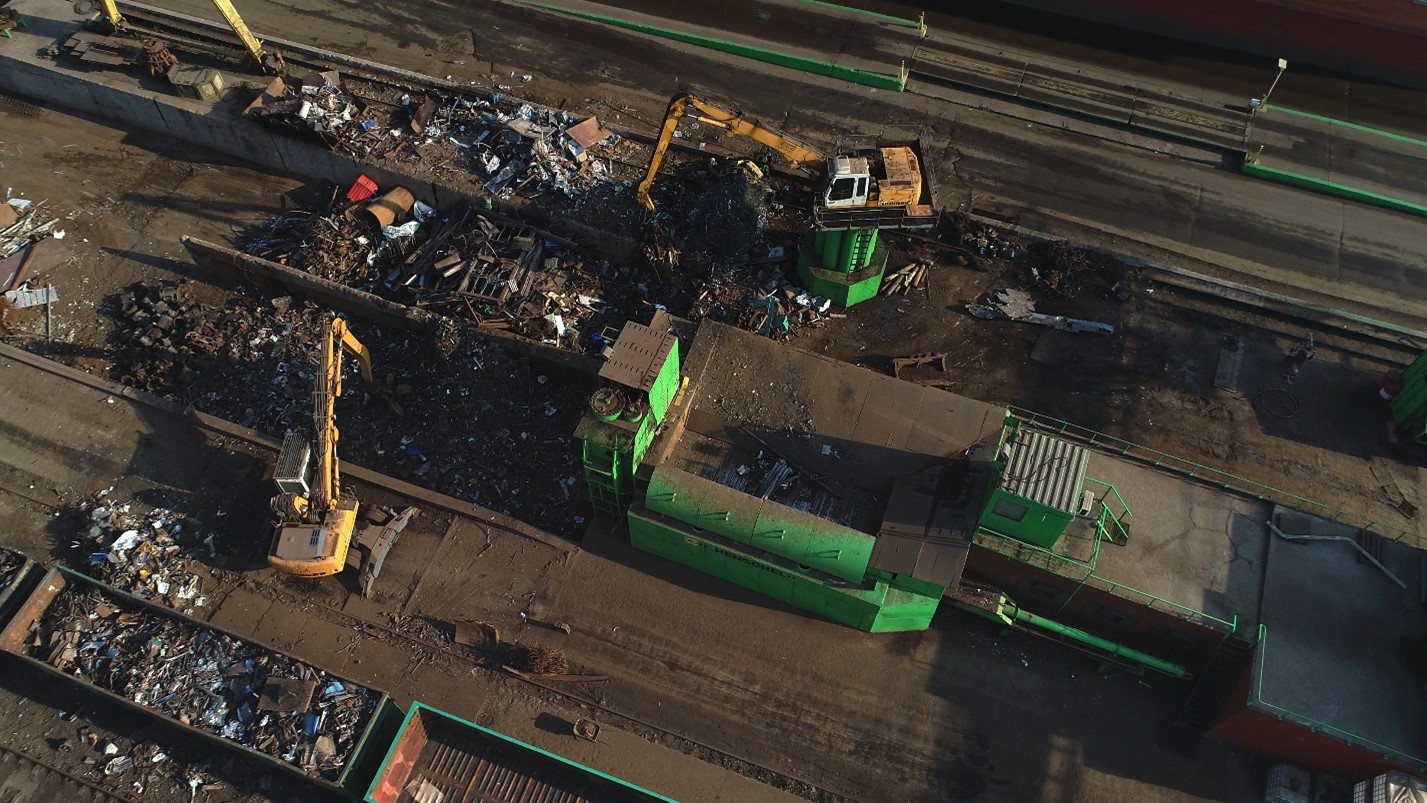
A comprehensive way to evaluate the true impact of recycling is from a lifecycle perspective. LifeCycle Assessment (LCA) considers the environmental impacts associated with all stages of a product’s life, from raw material extraction and manufacturing to use, recycling, and disposal. This approach provides a more complete understanding of the trade-offs involved in recycling. While recycling often offers clear advantages over disposal, the extent of those benefits can vary depending on factors such as material type, geographic location, and available technology. For example, metals like aluminum and steel typically show strong lifecycle benefits when recycled, while certain plastics may present more complex outcomes
It is also important to recognize that recycling alone cannot solve the broader challenges associated with waste generation and resource consumption. While it is a valuable tool, it should be considered one component of a more comprehensive waste management strategy. Reducing waste at the source and promoting reuse are often more effective in minimizing environmental impacts. Source reduction involves designing products and processes that use fewer materials, generate less waste, and minimize environmental harm. Reuse, on the other hand, extends the life of products and materials, reducing the need for both new production and recycling.
For businesses and organizations, integrating recycling into a broader sustainability strategy can provide both environmental and operational benefits. This may include evaluating material use, improving waste segregation practices, and working with suppliers to reduce packaging. In some cases, companies may also explore opportunities to incorporate recycled materials into their own products or processes. These efforts can help reduce costs, improve regulatory compliance, and enhance overall environmental performance.
Public perception also plays a role in the effectiveness of recycling programs. Recycling is often viewed as a simple and universally beneficial action, which can lead to overconfidence in its impact. This perception may cause individuals and organizations to overlook other important sustainability practices, such as reducing consumption or improving efficiency. By promoting a more balanced understanding of recycling, stakeholders can make more informed decisions and avoid unintended consequences.

In conclusion, recycling remains a critical component of modern environmental management, offering clear benefits in terms of resource conservation, energy savings, and landfill reduction. However, it is not without its limitations. The energy and infrastructure required to support recycling systems, along with issues such as contamination, economic viability, and transportation impacts, contribute to the hidden costs that are often overlooked. Ultimately, combining recycling with waste reduction and reuse strategies will provide the most effective path toward long-term environmental sustainability.
*Methane is a much stronger greenhouse gas than carbon dioxide (CO2) on a percentage timeframe…81 to 88 times higher at trapping heat in the atmosphere. Over a hundred-year timeframe, its potency drops to about 27 to 30 times that of CO2 due to its shorter atmospheric lifetime (7-12) years compared to CO2, which can persist for centuries. Thus, when measuring an entity’s carbon footprint for the purpose of Greenhouse Gas Emissions Reporting (GHGER), the language of CO2-equivalency comes into play.